

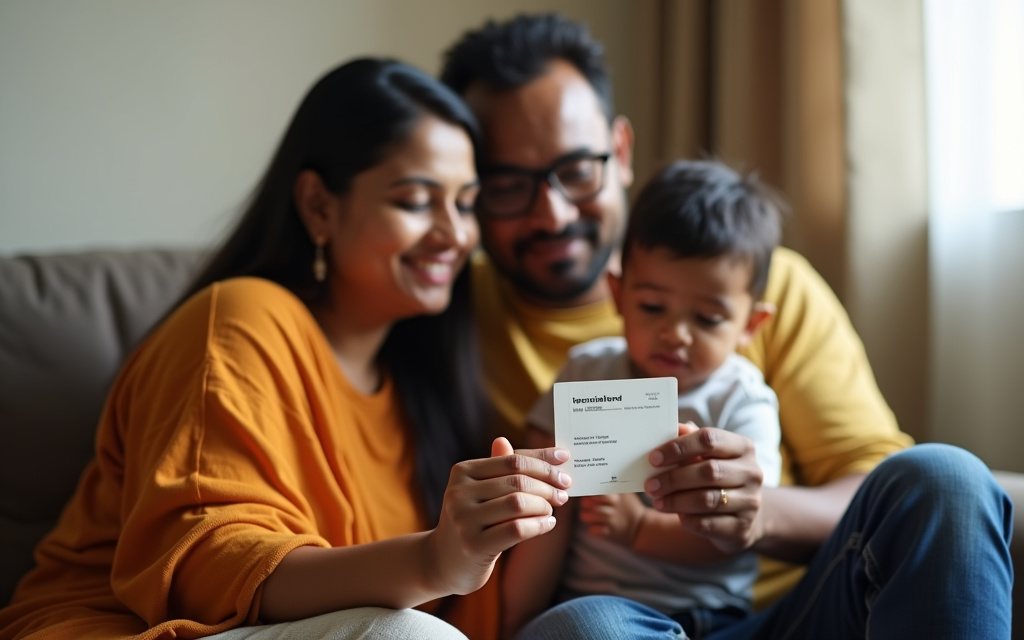
Ask five people in Bangladesh to show their "vaccine card" and you may get five different documents. One person brings the card printed after Surokkha registration. Another shows a PDF certificate with a QR code. A parent pulls out a child's immunization card from a plastic sleeve. A traveller who has been abroad may have a small yellow booklet. All of these are vaccination documents, but they do different jobs.
This guide explains the main vaccination documents Bangladeshi residents, diaspora members and migrant workers are likely to come across, in general terms. We describe what each document is, when you usually receive it, what it is used for and how to replace it. Surokkha Guide is an independent information site, not an issuing authority. Formats and procedures can change, so confirm current details on the official Surokkha portal or with your local health facility.
Key takeaways
- The Surokkha registration or vaccine card is typically an appointment document you bring to the centre; it is not usually accepted as final proof of vaccination.
- The COVID-19 vaccination certificate with a QR code is generally the document used as proof for travel, employment and visa files.
- The childhood EPI card is a separate routine immunization record that parents should keep for the child's whole life.
- The International Certificate of Vaccination or Prophylaxis (yellow card) covers vaccines such as yellow fever required under international health rules.
- Keep originals safe, store digital copies securely, and never share OTPs or ID numbers with people offering to "replace" documents for a fee.
Why there are so many different documents
Vaccination records serve different purposes. Some are designed to organise a vaccination appointment. Some record which dose was given on which day. Others are designed to prove vaccination to a third party, such as an employer, airline or foreign government. Routine childhood vaccination in Bangladesh runs through the Expanded Programme on Immunization (EPI), which has its own paper record. COVID-19 vaccination was organised through the Surokkha digital system, which generated its own documents. International travel vaccines, meanwhile, follow the World Health Organization's International Health Regulations.
The Surokkha registration card (often called the vaccine card)
After completing surokkha registration on the official portal, people have typically been able to download and print a registration card, often called the vaccine card. It usually shows basic identifying details and information linked to the registration, and is brought to the vaccination centre on the day of the appointment.
In general, this card helps the centre find your registration and record the dose. It is best thought of as an appointment and tracking document. It usually does not serve as final proof of vaccination for travel or employment, because it is issued before the vaccine is given. Many people search for "vaccine card Bangladesh" when they actually need the certificate described below, so it is worth checking which one an employer or embassy is asking for.
What to do with it
Keep the card with your health papers. If you lose it, the official portal has, at the time of our last review, allowed registered users to print the card again using their registration details.
The dose record kept at the vaccination centre
When you receive a vaccine, the centre records the dose. For COVID-19 vaccination, doses are generally entered into the Surokkha system, and staff may also mark your card or a paper register. This record is what later allows a certificate to be generated.
You usually do not receive this record as a separate document, but it matters. If a dose was given but not entered correctly, your certificate may show fewer doses than you received. In that case, the centre or local health office is typically the place to start.
The COVID-19 vaccination certificate (Surokkha certificate)
The Surokkha vaccine certificate is the document most people mean when they talk about proof of COVID-19 vaccination in Bangladesh. It is generally available as a downloadable PDF from the official portal after the required doses have been recorded. It typically shows the holder's name, identity document details, the vaccine received and dose dates, along with a QR code.
The QR code is what makes the certificate different from a card. It is designed to link to a result on the official system, so that others can check it is genuine. We explain this in detail in our guide to Surokkha certificate verification.
When it is used
The certificate has been requested for international travel, overseas employment, visa applications and, at times, workplace or institutional checks. Requirements have relaxed in many countries, but some organisations still ask for it. If your certificate should show passport details for travel, check the official portal for the current options.
The childhood EPI card
The EPI card is the routine immunization record for children in Bangladesh. It is typically given to parents or caregivers when a baby receives their first vaccine at a health facility or outreach session. Health workers record each vaccine and the date, and often note the date of the next visit.
This card has nothing to do with Surokkha. It covers childhood vaccines such as those protecting against tuberculosis, polio, measles and other diseases in the national schedule. It is valuable for years, and may be requested for school admission, for catching up on missed doses or when a family moves abroad. Our parent's guide to the Bangladesh EPI schedule explains the usual timings.
If the EPI card is lost
Speak to the health facility or health worker who gave the vaccines. They may hold registers that can help reconstruct the record. If records cannot be found, a qualified health professional can advise on catch-up vaccination. Do not guess which vaccines a child has had.
The International Certificate of Vaccination or Prophylaxis (yellow card)
The International Certificate of Vaccination or Prophylaxis, often called the ICVP or yellow card, is a standard format defined under the World Health Organization's International Health Regulations. It is most commonly associated with yellow fever vaccination, which some countries require from travellers arriving from, or passing through, areas with yellow fever risk.
The yellow card is issued at designated vaccination centres authorised for the relevant vaccine. It is separate from the Surokkha certificate. Travellers and migrant workers heading to countries with specific entry requirements should check with the embassy, their employer and a travel health clinic well before departure. Our guide to travelling abroad with a Bangladeshi vaccine certificate covers this in more depth.
Side-by-side comparison
| Document | What it is | When you usually get it | Typical use | Who issues it | If lost |
|---|---|---|---|---|---|
| Surokkha registration card | Appointment and tracking card | After online registration, before vaccination | Bring to the vaccination centre | Generated through the official Surokkha system | Usually reprintable from the official portal |
| Centre dose record | Entry of each dose given | At each vaccination | Basis for generating the certificate | Vaccination centre staff | Held by the centre; ask there if something is missing |
| COVID-19 vaccination certificate | Proof of vaccination with QR code | After required doses are recorded | Travel, employment, visa files | Official Surokkha system | Download again from the official portal |
| EPI card | Child's routine immunization record | At the first childhood vaccine | Tracking the childhood schedule, school, catch-up | Government health facilities and outreach sites | Ask the health facility; seek professional advice on catch-up |
| ICVP (yellow card) | International certificate for specified vaccines | When vaccinated at a designated centre | Entry requirements such as yellow fever | Designated vaccination centres | Contact the issuing centre; revaccination may be advised |
This table is a simplified overview. Exact procedures, eligibility and replacement options can change, and may differ between facilities.
Only the official Surokkha portal can issue, reprint or update COVID-19 registration cards and certificates. Surokkha Guide cannot create or change any document.
Which documents should you keep?
In short: keep all of them. Each one fills a different gap. A sensible household approach looks like this:
- Make one folder for each family member's health documents, including EPI cards, vaccine cards, printed certificates and any yellow card.
- Keep a digital copy of each certificate PDF on your phone and in a secure storage account protected by a strong password.
- Print a clean copy of the COVID-19 certificate before travel, and check that the QR code is sharp.
- Check details such as the spelling of names and dates of birth soon after you receive each document, while it is easier to correct.
- Update after new doses. If you receive a booster, download a fresh certificate once the dose appears in the system.
Storing documents safely
Paper cards can fade or get wet during the monsoon, so a plastic sleeve helps. Never post certificates or cards on social media, where names, ID numbers and QR codes can be misused.
Be wary of anyone who offers to "replace", "upgrade" or "fast-track" your documents for a fee, especially through social media or messaging apps. Never share the OTP sent to your phone or your NID or birth registration number with such people. Genuine replacements go through the official portal or health facilities.
If you have questions about which vaccines you or your children need, that is a conversation for a qualified health professional. Our content is general information only; see our disclaimer.
Frequently asked questions
Is the Surokkha vaccine card the same as the vaccine certificate?
No. The vaccine card, or registration card, is generally printed after registration and brought to the vaccination centre. The certificate is issued after the required doses are recorded and carries a QR code for verification. Organisations asking for proof of vaccination usually mean the certificate.
Can I use my child's EPI card for travel?
The EPI card records routine childhood vaccines and can be useful when a family moves abroad or a school asks about vaccinations. It is not a COVID-19 certificate or a yellow card. Check the specific requirements of the destination country and ask a health professional if you are unsure.
Does the Surokkha certificate replace a yellow fever certificate?
No. The yellow fever requirement, where it applies, is met with the International Certificate of Vaccination or Prophylaxis issued at a designated centre. The Surokkha certificate relates to COVID-19 vaccination and is a separate document.
I lost my vaccine card. Can I still get my certificate?
In many cases, yes. The certificate is linked to your registration and dose records rather than the paper card itself. At the time of our last review, the official portal allowed registered users to reprint the card and download certificates using their registration details. Confirm the current options on the portal.